Data Center Rhine-Neckar I
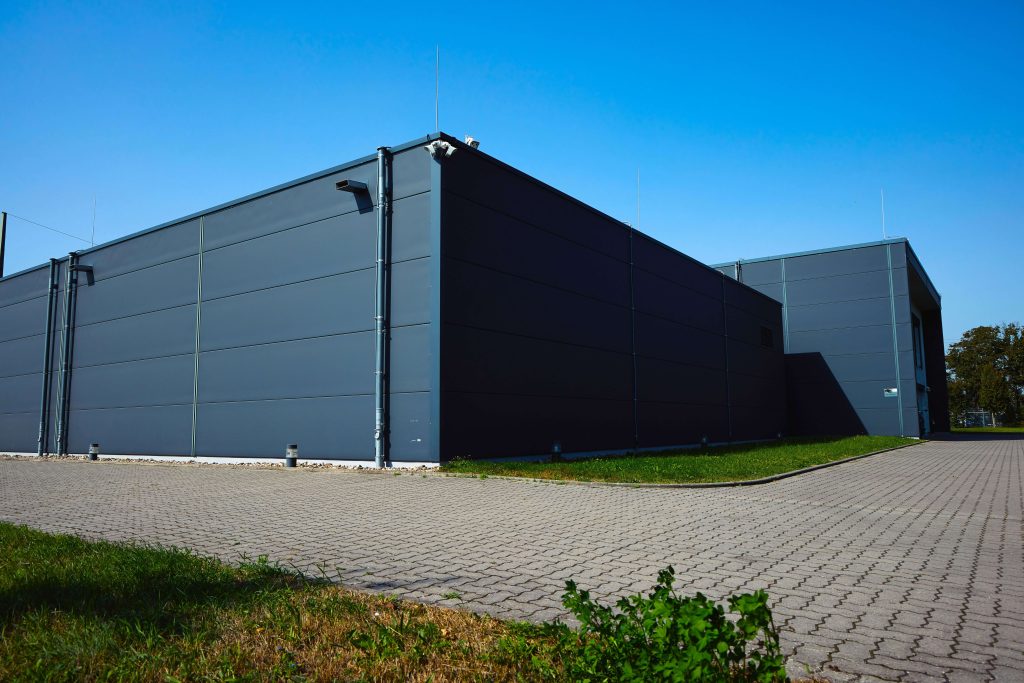
Data Center Rhine-Neckar I
Our highly available Data Center Rhine-Neckar I (DCRN I) offers you a wide range of attractive benefits.
Data Center Rhine-Neckar II
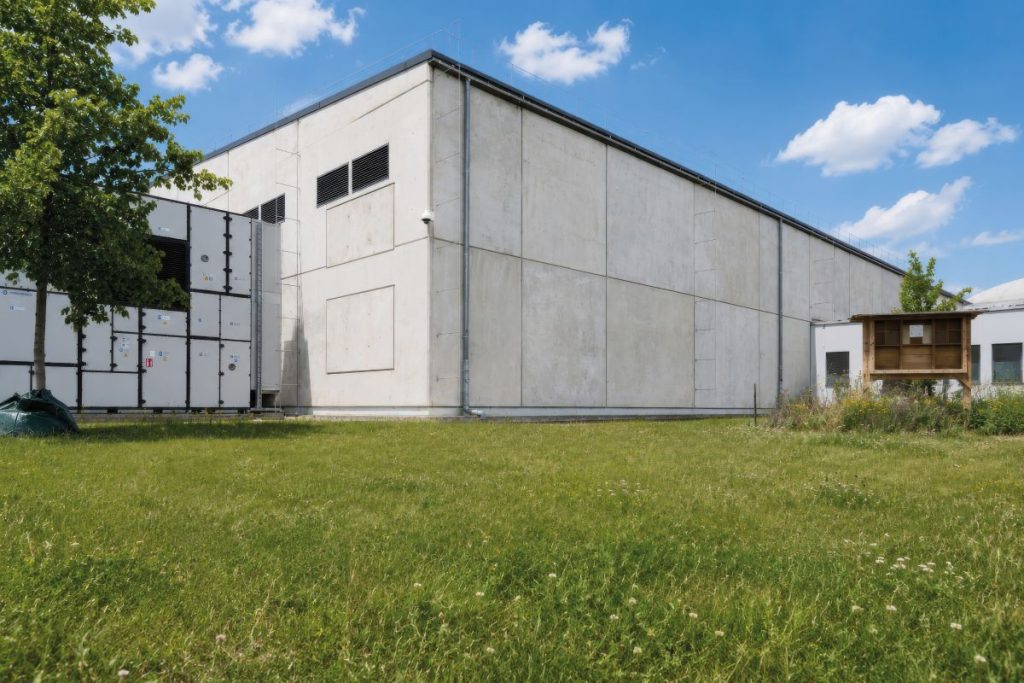
Our highly secure Rhein-Neckar II Data Center (DCRN II) is PFALZKOM's newest and most advanced Data Center.
Data Center
Rhine-Neckar II
Partner Data Centers and other locations for redundant data backup
Racks
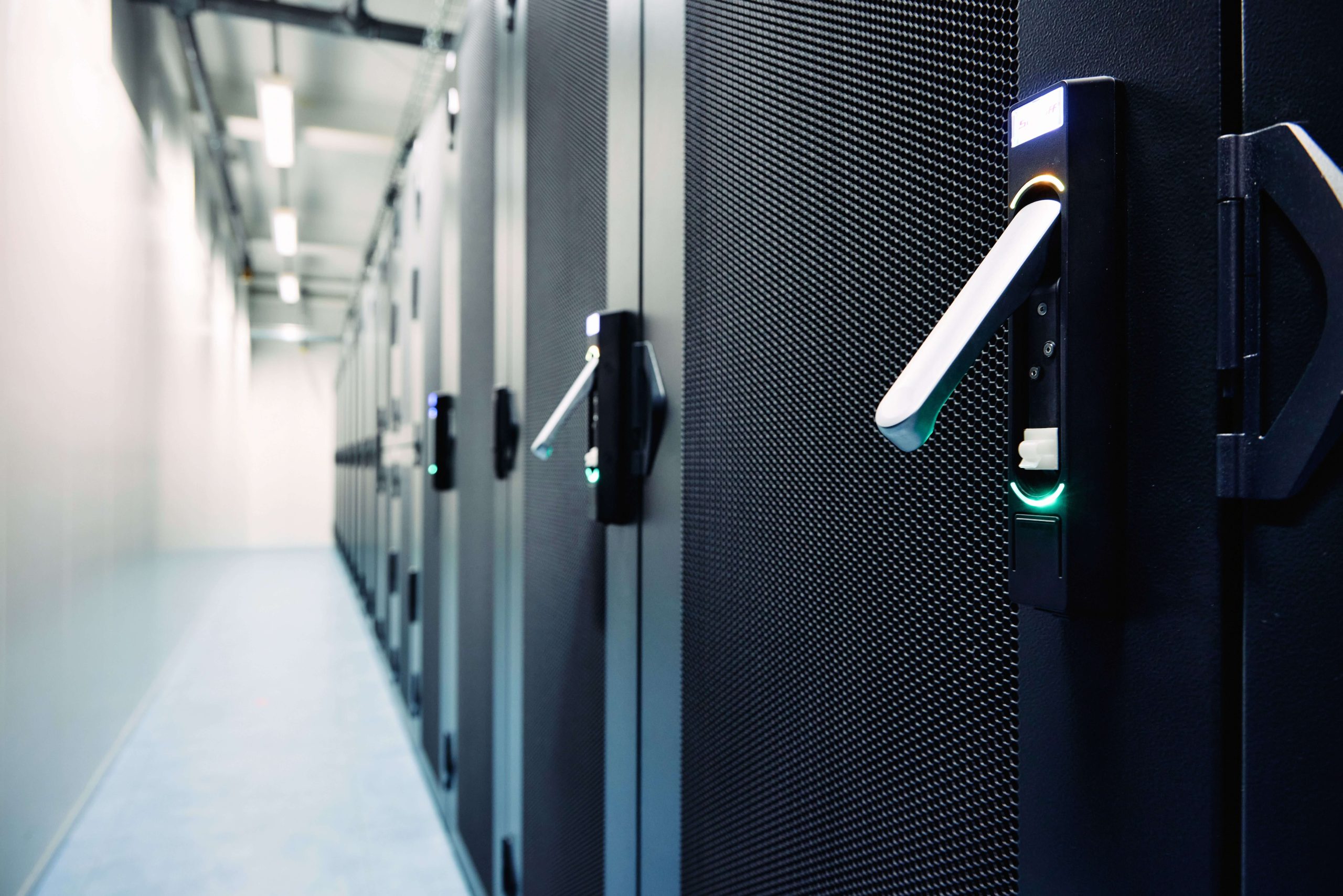
Racks
You can securely mount your hardware components such as servers, switches or routers in our racks. We guarantee the greatest possible protection with our seven-zone security concept and prevent interruptions in the power grid through various redundant measures and a perfect connection. Your appliances are arranged to save space, organized for easy access, efficiently cooled and protected against unauthorized access. Take advantage of short-term scaling options to meet growing requirements at all times.
Cages
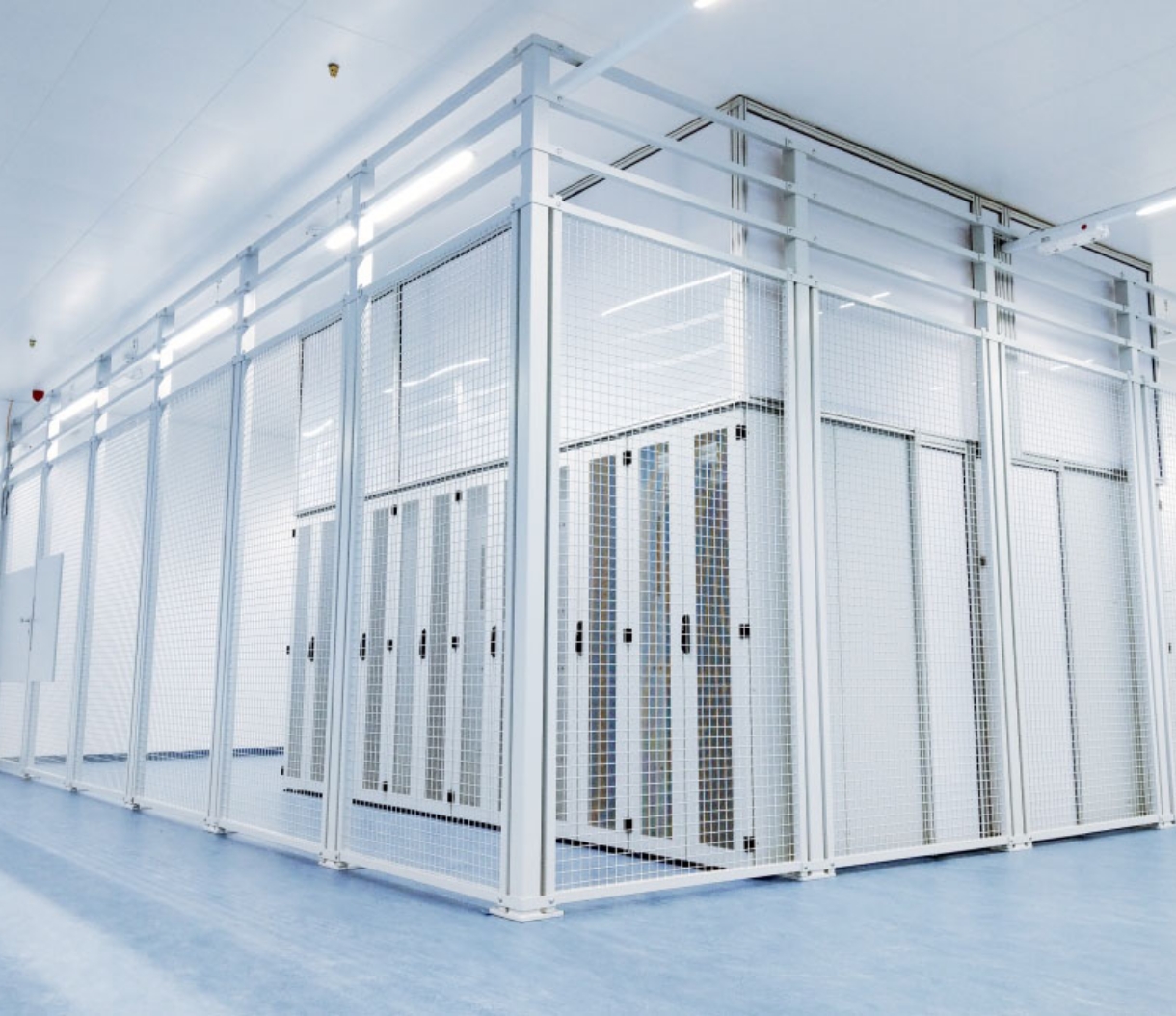
Sufficient space is available for your individual requirements in our highly available and modern Data Centers. We plan, install and set up the right racks for you directly in order to minimize your own expenses. Alternatively, you can of course also move in with your own hardware. In addition, we can reserve expansion space in advance and take it into account when planning the cage so that you can grow even more easily in the future.
Cages
Optional Services
Optional Services
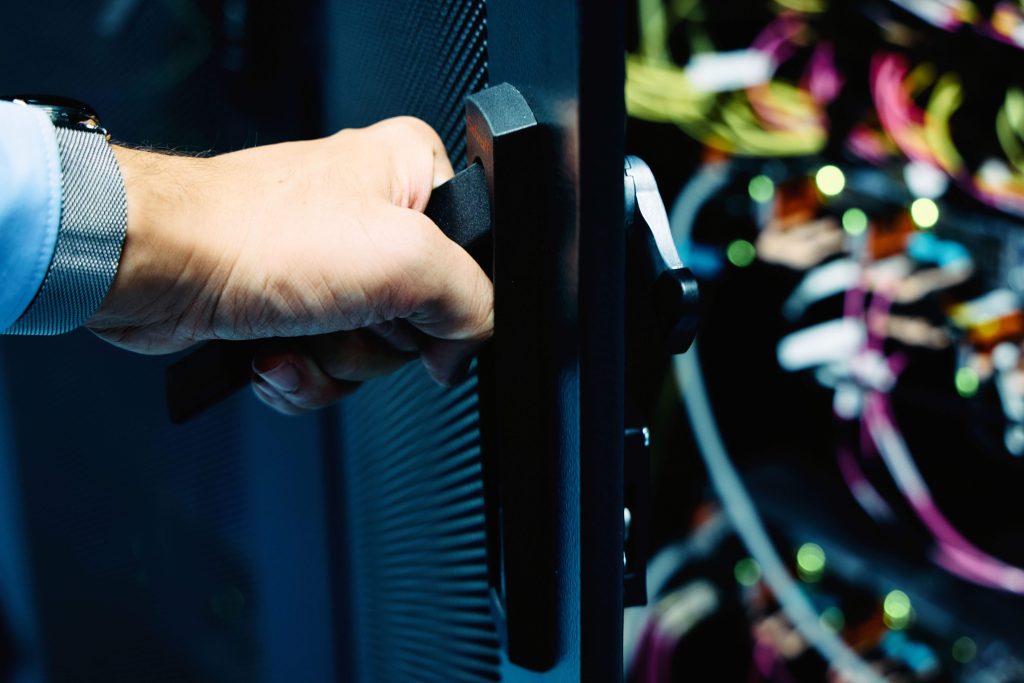
Sie möchten auf unsere ergänzenden Datacenter Services zurückgreifen, um die eigenen Aufwände und Ressourcen zu minimieren? Kein Problem! Hierbei handelt es sich um Dienstleistungen, die durch unsere Mitarbeitenden vor Ort erbracht werden. Unsere Kolleginnen und Kollegen halten Ihre Hardware in Schuss. Nutzen Sie unsere Expertise zur Annahme, Installation oder Wartung Ihrer Racks, und vertrauen Sie auf die Kompetenz unseres geschulten sowie erfahrenen Personals. Wir sind stets persönlich für Sie vor Ort.
Exclusive Events for Our Customers
Customers at our Data Centers and users of our Managed Services can look forward to special gatherings twice a year. Our DCRN Business Club provides a personal setting for exchange, networking, active participation, and knowledge sharing. Exciting keynote presentations and guided tours take place both at selected partner locations and at high-quality venues in the Rhine-Neckar metropolitan region to strengthen regional collaboration and foster new business models and opportunities for cooperation among and between participants. For this purpose, we offer you this flexible networking format—exclusively by personal invitation.
Make confident decisions. Operate more effectively.
Everything You Need to Know About Modern Data Centers
What are the benefits of colocation? What security standards are relevant today? And what should companies look for when choosing a Data Center? Here you’ll find the most important answers at a glance.